The Nigerian healthcare sector is facing a severe brain drain crisis, with more than 60 percent of radiographers trained in the country now practising abroad. This alarming revelation was made by the Radiography Lecturers Association of Nigeria (RLAN), highlighting a critical shortage of these essential diagnostic professionals within the nation's health system.
Mass Exodus of Medical Professionals
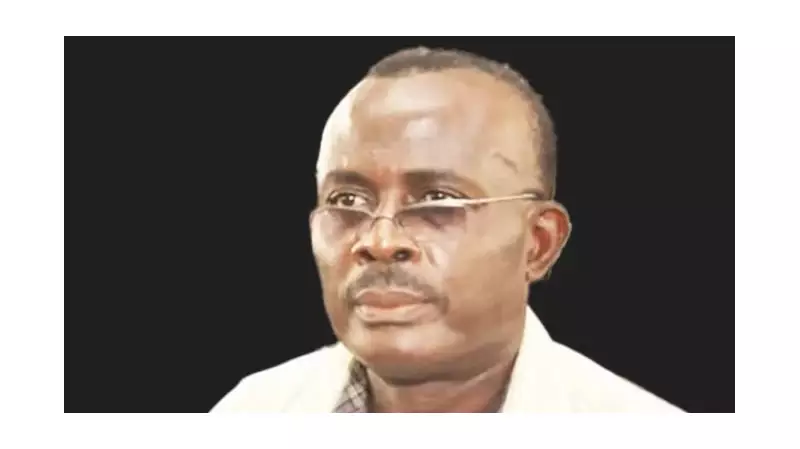
Prof. Christian Nzotta, President of RLAN and a former Dean of the Faculty of Health Sciences and Technology at Nnamdi Azikiwe University (UNIZIK), disclosed these concerning figures. He spoke at the 57th yearly Conference and Scientific Workshop of the Association of Radiographers of Nigeria, which was held in Lagos.
The event carried the theme “Radiography and Climate Change: Mitigating the Impact on Health and Healthcare Systems.” Prof. Nzotta, a professor of Nuclear Physics, provided stark numbers: while Nigeria has produced over 15,000 radiographers, fewer than 5,000 remain active within the country's health infrastructure.
"Over 60 per cent of our qualified radiographers are out there in Europe," he stated. He did note a slight shift in this trend during the current year, attributing it to radiography training programmes in the United Kingdom that have reduced the immediate outflow of professionals.
Climate Change and Healthcare Strain
The conference also served as a platform to discuss the growing impact of climate change on health services. The keynote speaker, Prof. Felix Erondu, Dean of the Faculty of Health Sciences at Gregory University, Uturu, explained that climate change is increasing the pressure on health systems and the reliance on radiography services.
"Climate change constitutes one of the greatest health challenges of our era," Prof. Erondu asserted. He cited World Health Organization projections of up to 250,000 yearly deaths attributable to climate change between 2030 and 2050, with direct costs to global health systems soaring to $2–4 billion annually.
He detailed several health threats, including:
- Rising temperatures and degraded air quality
- Changing patterns of infectious diseases
- Increased food and water insecurity
- Climate-induced population displacement
Prof. Erondu warned that extreme weather events like floods, heatwaves, and droughts will drive a greater demand for mobile imaging, screening, and emergency diagnostic services, particularly in vulnerable areas like Internally Displaced Persons (IDP) camps. He also expressed deep concern over Nigeria's unstable electricity supply, noting that reliable power is critical for operating sensitive radiography equipment and ensuring proper patient care.
Calls for Action and Reform
Earlier in the event, the President of the Association of Radiographers of Nigeria, Dr. Musa Dambele, emphasized the timeliness of the conference's theme. He stated that the gathering aimed to examine how climate change is shaping diagnostic needs and influencing national health outcomes.
In response to the dual challenges of professional migration and climate pressure, stakeholders at the conference united in calling for decisive measures. They advocated for:
- Improved welfare and working conditions for radiographers
- Significant investment in stronger power infrastructure
- Government support for the acquisition of modern medical equipment
- Policy reforms designed to curb the migration of trained healthcare professionals
This collective appeal underscores the urgent need to address the systemic issues pushing skilled radiographers out of Nigeria, especially as the health system braces for the added burdens imposed by a changing climate.