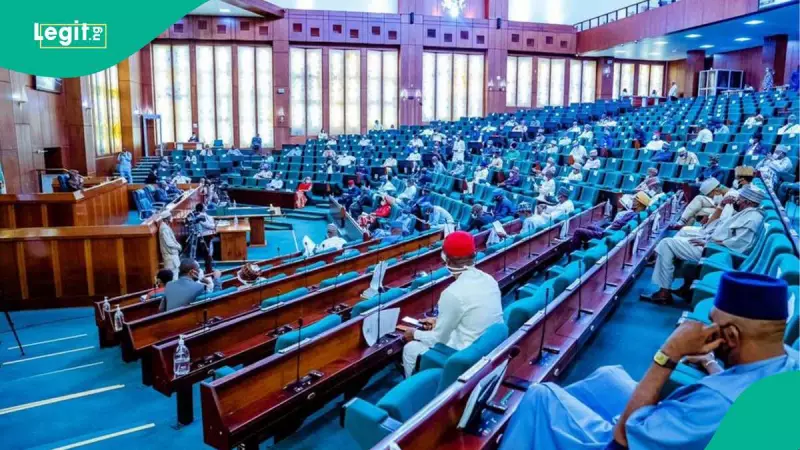
The Nigerian House of Representatives has taken a significant step toward political inclusion by passing for second reading a bill that seeks to reduce the minimum age requirement for senators and governors from 35 to 30 years.
Breaking the Age Barrier
Sponsored by Honorable Esin Etim alongside twenty-four other lawmakers, the proposed legislation aims to amend specific sections of the 1999 Constitution to create better political progression opportunities for younger Nigerians. The bill titled 'A Bill for an Act to Alter the Constitution of the Federal Republic of Nigeria, 1999 (as amended) to Reduce the Age for Qualification for Membership of the Senate and Office of the Governor and for Related Matters' received majority support during plenary session.
Current constitutional provisions allow individuals aged 25 to contest for House of Representatives seats, while maintaining a higher threshold of 35 years for both Senate and governorship positions. This creates what proponents call an unfair barrier for young politicians seeking career advancement.
Addressing Political Career Progression
During the debate, bill sponsor Esin Etim presented a compelling case for the constitutional amendment. He explained that the current age restriction hinders the political growth of legislators who begin their careers early.
'If a member of this house at 25 years spends two terms in the house of representatives, he will be 33 years and he will still not be qualified to go to the senate or to become a governor,' Etim told fellow lawmakers.
The proposed five-year differential between eligibility for the House of Representatives and higher offices would maintain what Etim described as 'a clear and fair progression path' in political careers. This adjustment would enable representatives who complete two terms to seamlessly transition to senatorial or gubernatorial contests without facing age-based disqualification.
Legislative Process and Next Steps
Speaker Tajudeen Abbas conducted a voice vote that demonstrated overwhelming support for the bill's advancement. With no significant objections raised, the proposal successfully passed its second reading and has been referred to the House Committee on Constitution Review for detailed examination.
The legislative journey requires several more stages before becoming law. The bill must undergo thorough scrutiny by the committee, pass third reading in the House, gain approval from the Senate, and ultimately secure ratification by at least two-thirds of Nigeria's state assemblies.
If eventually enacted, this constitutional amendment could fundamentally reshape access to Nigeria's highest political offices and significantly broaden participation opportunities for young Nigerians seeking executive and legislative leadership positions.
The move represents growing recognition of the need to better integrate youth perspectives into Nigeria's governance structures and acknowledges the capabilities of younger citizens to contribute meaningfully to national leadership.