
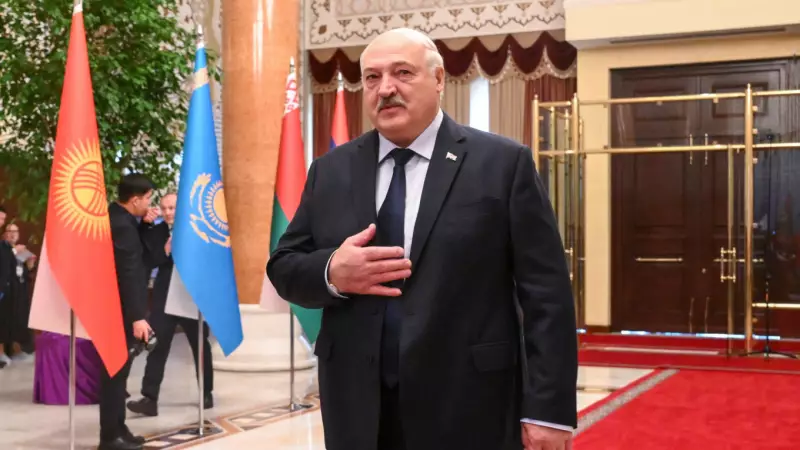
In a significant diplomatic development, Belarus has granted pardon to thirty-one Ukrainian citizens following an agreement between President Alexander Lukashenko and former US President Donald Trump.
The Presidential Pardon Announcement
Belarusian state television made the official announcement on Saturday, November 22, confirming the release of the Ukrainian nationals. The presidential spokeswoman, Natalia Eismont, disclosed that the individuals had been convicted of various criminal offences within Belarusian territory.
According to Eismont, the decision to release the prisoners originated from Ukraine's formal request and was part of broader negotiations aimed at reducing tensions surrounding the ongoing Russia-Ukraine conflict. "The president has pardoned 31 Ukrainian citizens who committed criminal offences on the territory of our country," she stated during the broadcast.
Diplomatic Agreement Details
The spokeswoman emphasized that this humanitarian gesture resulted directly from "agreements reached between U.S. President Donald Trump and President of the Republic of Belarus Alexander Lukashenko." She further explained that the move was intended to help "create conditions for the settlement of the armed conflict in the neighbouring state."
Eismont confirmed that the pardoned Ukrainians were being transferred to Kyiv authorities "right now" at the time of the announcement, marking the immediate implementation of the agreement.
Broader Implications and Sanctions Relief
As part of the wider diplomatic arrangement, Washington has partially lifted sanctions on Belarus's state airline, Belavia. This concession allows the airline to service and obtain necessary parts for its Boeing aircraft fleet.
This development represents significant relief for Minsk, which has faced heavy Western sanctions in recent years. The sanctions easing on Belavia marks one of the first tangible benefits Belarus has received from improved diplomatic engagement with Western powers.
The prisoner release occurs against the backdrop of ongoing criticism toward Belarus's human rights record. Human rights organizations have consistently accused the country of imprisoning political opponents, journalists, and activists under controversial "extremism" charges.
While Lukashenko's government has recently freed several dissidents, advocacy groups estimate that more than 1,000 political prisoners remain in Belarusian detention facilities, indicating that much work remains in addressing human rights concerns within the country.




