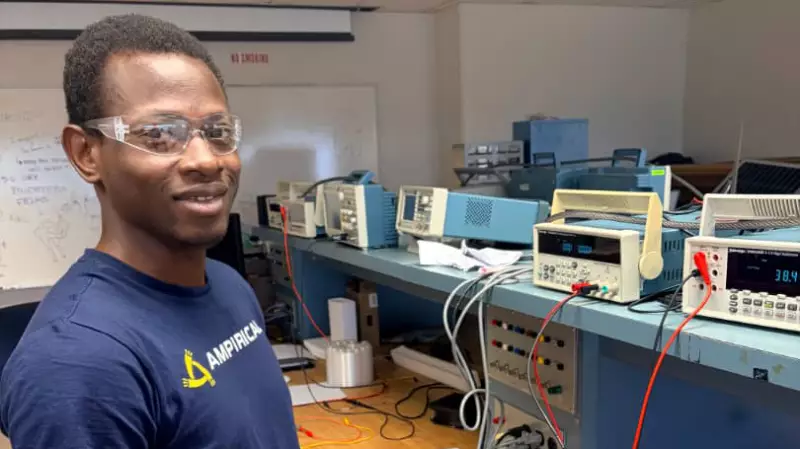
In a compelling revelation, Nigerian power systems expert Mr. Olaoluwa Adeleke has stated that Nigeria possesses a unique opportunity to accelerate its development dramatically. According to his research, the nation can completely bypass decades of sluggish infrastructure growth by strategically embracing renewable energy and cutting-edge digital technologies to fuel a comprehensive smart city transformation.
The Foundation: Renewable Energy and Smart Grids
Adeleke, whose PhD studies focus on renewable energy, power system stability, microgrids, and robotics, emphasized that this technological integration would yield immense benefits. He highlighted a significant reduction in the country's heavy dependence on generators, a substantial cut in carbon emissions, and the recovery of billions of dollars lost annually due to persistent power volatility and an unstable national grid.
In his discussion with The Guardian, the scholar urgently called upon both government bodies and private sector stakeholders to prioritize investments in renewable energy deployment and robust digital infrastructure. This, he argues, is the critical path to accelerating Nigeria's evolution into smart and resilient urban centers. "Nigeria does not need to repeat the mistakes of older economies," Adeleke asserted. "We can leapfrog straight into advanced digital systems like those used in the United States and Singapore."
He specifically pointed to IoT-enabled smart grids as a game-changer for Nigeria, one of Africa's most outage-prone nations. These grids are capable of automatically detecting and correcting faults, ensuring a more reliable power supply. Furthermore, he explained that smart water networks, real-time monitoring platforms, and automated control systems could drastically improve efficiency, reduce resource wastage, and strengthen overall urban management.
Transforming Mobility and Governance
Adeleke identified urban transport chaos, particularly in Lagos, as a major economic drain, costing the economy billions of naira each year. He proposed that solutions like AI-driven traffic lights, GPS-equipped public buses, and predictive transport software could significantly alleviate congestion and enhance commuter mobility. "Cities like Singapore and Barcelona have shown that smart mobility is achievable when data, automation and real-time monitoring are combined. Nigeria can replicate that model with local innovation," he added.
The concept of smart governance was another cornerstone of his vision. Adeleke advocated for the creation of digital platforms that would empower citizens to report power outages, track the government's response in real-time, and participate more actively in public decision-making processes. "A truly smart city must be people-centred," he stressed. "Technology should empower citizens to hold leaders accountable, improve transparency and strengthen service delivery at all levels."
Addressing Risks and Ensuring Inclusive Growth
While championing digital advancement, Adeleke also issued a critical warning about the accompanying risks. He noted that increased reliance on digital systems could expose Nigeria to cyber threats such as ransomware attacks and data breaches. To counter this, he strongly recommended the establishment of stronger cybersecurity frameworks and specialized training for personnel in the government and energy sectors. He also suggested that blockchain-based data protection systems could be instrumental in preventing unauthorized access and securing the nation's emerging digital infrastructure.
Crucially, Adeleke emphasized that the smart city revolution must not be confined to urban centers. He recommended deploying solar microgrids, telemedicine solutions, and IoT-enabled agricultural tracking systems in rural areas to improve electricity access, healthcare delivery, and food production. "Smart cities must not exclude rural areas. With solar microgrids, smart farming and telemedicine, we can create inclusive development that bridges the rural–urban divide," he stated.
Identifying key obstacles such as financing gaps, weak internet connectivity, and low public awareness, Adeleke proposed public-private partnerships, investments in satellite broadband, and widespread community education as vital solutions. On an international level, he urged Nigeria to deepen collaborations with institutions like the World Bank, the African Development Bank, and global tech firms such as Huawei for funding, technical expertise, and knowledge transfer.
He concluded by outlining the profound potential impact: the effective implementation of smart city projects could cut energy losses by up to 30%, create thousands of new jobs in the ICT and renewable energy sectors, and even boost national security through enhanced, data-driven management systems. "Smart cities are not only about technology but about creating sustainable, inclusive and resilient communities powered by clean energy and guided by innovation," Adeleke said.