Animation has become a universal language that connects people across Nigeria and around the world. From Disney classics that air on local television to Japanese anime that has captured the hearts of Nigerian youth, animation continues to evolve as a powerful storytelling medium.
The Foundation of Modern Animation
At its core, animation works by displaying a sequence of images rapidly to create the illusion of movement. This simple principle has given birth to numerous techniques that have transformed how stories are told visually. The evolution from hand-drawn frames to sophisticated computer-generated imagery represents one of the most significant developments in modern media.
Traditional Techniques That Started It All
Traditional hand-drawn animation remains the foundation of the entire industry. Before digital tools existed, animators created thousands of individual drawings by hand. Classic films like Snow White and The Lion King (1994) were built using this method, where artists would draw key poses first, then fill in the in-between frames to create smooth motion.
Another historical technique, stop-motion animation, involves photographing physical objects one frame at a time. When played in sequence, these photographs create movement. This method includes several subtypes:
- Claymation using clay models
- Cut-out animation using paper or fabric
- Puppet animation using articulated figures
Nigerian creators have begun exploring these traditional methods, blending them with local storytelling traditions to create unique animated content.
Digital Revolution in Animation
The rise of computer technology introduced 2D vector animation, which uses mathematical lines and shapes rather than hand-drawn images. Programs like Adobe Animate allow animators to create digital puppets that can be manipulated without redrawing every frame. This technique has become popular for educational content and television cartoons.
3D computer animation has dominated the industry since Pixar's Toy Story (1995) demonstrated its potential. This method involves building digital models in a virtual space, then animating them using digital skeletons. The technique can simulate realistic lighting, physics, and camera movements that would be impossible with traditional methods.
Modern Hybrid Approaches
Contemporary animation often blends multiple techniques to create unique visual styles. Motion graphics focuses on moving text, shapes, and icons rather than characters, making it ideal for advertisements and explainer videos.
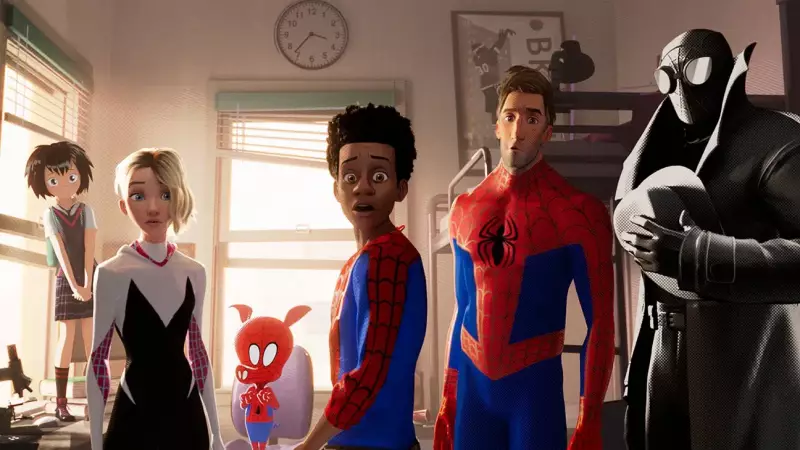
Experimental and hybrid animation breaks conventional rules by mixing different styles. Recent hits like Spider-Man: Into the Spider-Verse combine 3D models with 2D effects to create visually stunning worlds that feel both innovative and nostalgic.
Advanced techniques like motion capture record real actors' movements to animate digital characters with incredible realism. This technology has been used for iconic characters like Gollum in The Lord of the Rings and continues to evolve with improvements in artificial intelligence.
The Future of Animation in Nigeria
As technology becomes more accessible, Nigerian animators are increasingly contributing to the global animation landscape. Local studios are experimenting with different techniques, from traditional 2D animation to cutting-edge 3D graphics, often incorporating Nigerian cultural elements and storytelling traditions.
The continued evolution of animation proves that imagination truly has no limits. As tools become more sophisticated and distribution reaches wider audiences through digital platforms, animation will continue to shape how stories are told and experienced in Nigeria and beyond.