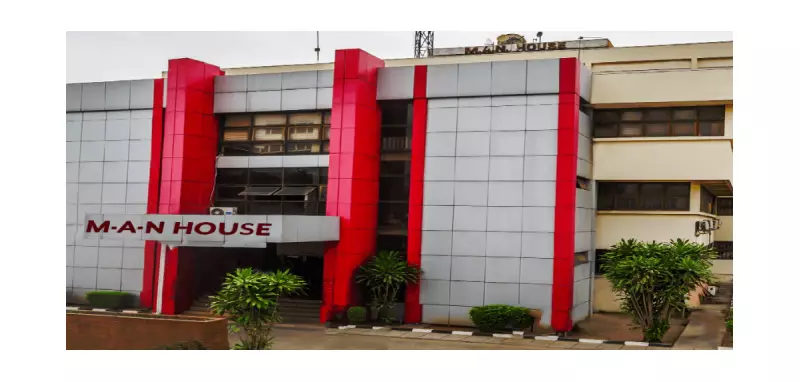
The Manufacturers Association of Nigeria (MAN) has raised a critical alarm, stating that the current borrowing costs of 30 to 37 per cent are crippling the manufacturing sector. The association insists these unbearably high rates are hindering production and severely reducing the sector's ability to compete.
Reaction to CBN's Monetary Policy Decision
This strong position was taken in reaction to the Central Bank of Nigeria's (CBN) recent decision to maintain the Monetary Policy Rate (MPR) at 27 per cent after its meeting on Monday. The association's Director-General, Segun Ajayi-Kadir, described the decision as unfavourable, emphasizing that the cost of credit remains one of the most significant constraints for manufacturers nationwide.
Ajayi-Kadir stated that with the MPR holding steady, manufacturers were expecting a further reduction to lower the cost of borrowing. He acknowledged the CBN's focus on exchange rate stability and improved forex liquidity as vital, given manufacturers' reliance on foreign exchange for imports. However, he stressed that it is equally essential to reduce the cost of funds to encourage borrowing for business expansion and new investments.
Compounding Challenges for Manufacturers
Expressing deep concern for the already struggling sector, the MAN DG warned that persistent high lending rates will further limit access to affordable credit. This is particularly damaging for Small and Medium-scale Industries (SMIs).
He further highlighted that the high cost of credit is worsened by a host of other structural challenges facing manufacturers, including:
- Poor infrastructure
- High logistics costs
- Inadequate electricity supply
- High energy costs
- Pervasive insecurity
According to him, these issues cumulatively drive up production costs and weaken the competitiveness of Nigerian-made goods.
Urgent Calls to Action for Government and CBN
Ajayi-Kadir urged the Central Bank and other policymakers to pursue policies that foster inclusive growth and incentivize manufacturing, rather than alienate the sector. "The CBN should also strengthen its handshake with fiscal authority to promote reforms capable of unlocking the full potential of the manufacturing sector," he advised.
Considering the current economic climate, the DG pressed the CBN to adopt a downward review of the interest rate in its subsequent MPC meetings. This move, he argued, would lessen the burden of high borrowing costs and incentivize long-term investments, especially in capital-intensive sub-sectors.
He also called for additional policy instruments or incentives to facilitate credit flow to the real sector, particularly manufacturing. On the part of the government, he urged strengthened fiscal discipline and upscaled infrastructure investment to boost the sector's supply capacity.
Ajayi-Kadir specifically called for closer collaboration between the Federal Government and the CBN to stabilize the Naira and manage external risks, including monitoring potential capital flight. He also advocated for complementary fiscal measures to support industrial development and promote structural reforms in key sectors like Agriculture, Manufacturing, and Energy to further reduce inflationary pressure.
Finally, the MAN DG called for an urgent end to the ravaging insecurity across the country, especially in agricultural and industrial zones. He stated that a secure environment is critical for stabilizing food supply, ensuring raw material inputs, achieving food security, lowering inflation, and sustaining industrial growth.
He concluded by urging the CBN to monitor and evaluate the impacts of its previous MPC decisions on credit access to the real sector, ensuring that future policy positions are well-informed.