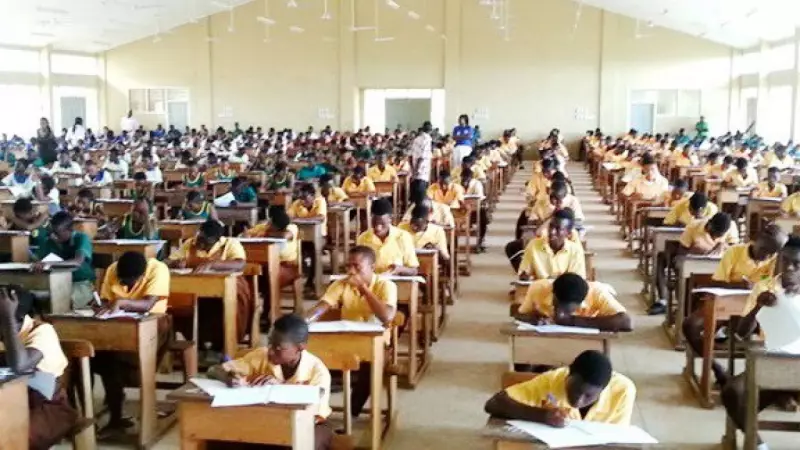
Education stakeholders and alumni have raised urgent concerns about the deteriorating state of Nigeria's secondary education system during a recent reunion event in Gbongan.
Reunion Reveals Shocking Reality
The 40th anniversary reunion of the 1985 set of Gbongan/Ode Omu Anglican Grammar School (Unity) in Gbongan became a platform for expressing deep worries about the current condition of secondary education. Former students and education experts gathered on 27 November 2025 to confront the harsh realities facing their alma mater and schools nationwide.
Executive Secretary of the Senior Secondary Education Board, Mrs. Hannah Kolawole, delivered a powerful keynote address warning that Nigeria risks compromising its future unless immediate measures are taken to rescue secondary education. She emphasized that education represents the country's most powerful weapon for development.
Critical Shortages and Alumni Intervention
The situation at the school reflects a broader crisis in public secondary education. Mr. Femi Yusuf, Vice-Chairman of the Governing Board, revealed that the 1985 set has been forced to take extraordinary measures to keep the institution functioning.
Alumni have stepped in to pay examination fees for senior secondary students and fund Unified Tertiary Matriculation Examination (UTME) costs. More critically, they have employed teachers in essential subjects including Physics, Chemistry, Biology, and English to address severe staffing gaps.
Nationwide Pattern of Neglect
Wale Adeleke, Chairman of the Planning Committee, described the reunion as both historic and alarming. He highlighted the unbelievable reality that a school of significant size lacks teachers in crucial subjects like Physics, Computer Science, and English.
Mrs. Kolawole acknowledged the vital role alumni have played in filling gaps left by dwindling government support. Their contributions include:
- Classroom renovations and library upgrades
- Provision of boreholes for clean water access
- Electricity infrastructure improvements
However, she appealed for increased investment in digital learning, vocational skills, and values-driven education to help the school keep pace with technological advancements and global standards.
The gathering served as both a celebration of legacy and a call to action, with stakeholders emphasizing that while infrastructure may deteriorate, investment in human capital remains indispensable for Nigeria's future development.