Campaign Posters Vanish Overnight
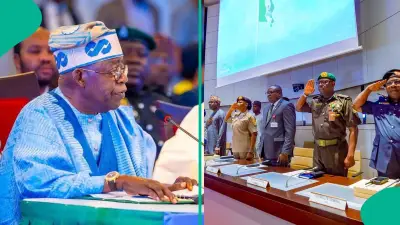
In a surprising development, campaign posters featuring President Bola Tinubu that previously adorned the expressway leading to Abuja Airport have been completely removed overnight. The disappearance occurred quietly and without official explanation, raising questions about the sudden change.
Similar removals were observed in Lagos, where identical posters vanished from highways connecting to Murtala Muhammed Airport by last week. This coordinated cleanup has sparked widespread speculation about the reasons behind the sudden action.
Violation of Electoral Laws
The presence of these campaign materials had previously drawn criticism for violating Nigeria's electoral laws. According to the Electoral Act 2022, political campaigns are only permitted to begin 150 days before polling day and must conclude 24 hours prior to elections.
This premature campaigning, occurring before the current administration had even completed two years in office, represented a clear breach of legal provisions. Critics argued that such early campaigns distract from governance and provide unfair advantages to the ruling party.
While government officials claimed the posters were the work of overzealous supporters and contractors rather than direct government action, the ruling party nevertheless set a problematic precedent that other political actors might follow.
INEC's Enforcement Failure
The Independent National Electoral Commission, under former chairman Mahmoud Yakubu, had previously demonstrated reluctance to address these violations. The Commission argued that the Electoral Act contained no specific sanctions to punish early campaigners, limiting their enforcement capabilities.
This position drew sharp criticism from prominent human rights lawyer Femi Falana (SAN), who insisted that INEC possesses constitutional authority to challenge early campaigners in court. Falana emphasized that the electoral body should test the limits of existing laws rather than pleading helplessness.
The legal expert stated: "The law cannot cover all situations. The lawmakers thought they were dealing with a civilised political class. No. Now that they are violating the law, it makes it a duty, empowered by the Constitution and the Electoral Act, to bring out the rules and regulations."
New INEC Leadership Brings Hope
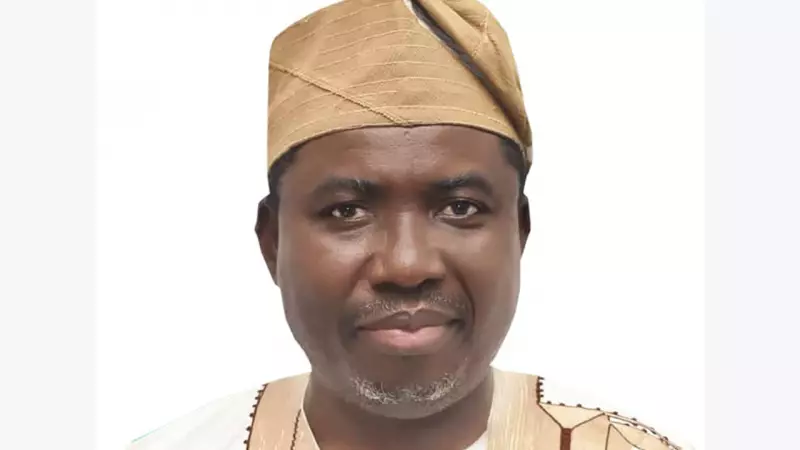
Many observers speculate that the recent appointment of Professor Joash Amupitan as INEC chairman might be influencing the new enforcement approach. As a respected professor of law with an international reputation to protect, Amupitan is expected to take a stronger stance against electoral illegalities.
The new chairman may have quietly communicated to political beneficiaries to restrain their overzealous contractors, who allegedly have accumulated substantial funds with limited appropriate spending avenues.
The recent Anambra governorship election has been cited by some analysts as evidence of the "Amupitan effect," though closer examination reveals more complex political arrangements behind the scenes.
Political Party Challenges
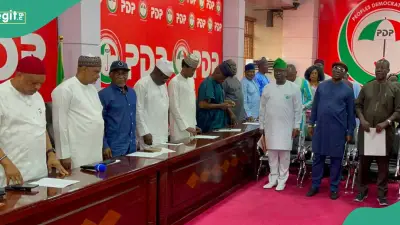
INEC faces significant challenges regarding political party discipline. The Peoples Democratic Party (PDP) demonstrates internal disarray, exemplified by their Anambra candidate Jude Ezenwafor's suspension for allegedly sabotaging his own party by congratulating the opposing candidate.
Similarly, the Labour Party struggles with leadership disputes, as INEC has refused to recognize the Nenadi Usman-led caretaker committee despite Supreme Court rulings affirming parties' rights to manage their internal affairs.
The epidemic of reckless defections further complicates the political landscape. The case of 27 Rivers State House of Assembly members who defected from PDP to APC without constitutional justification highlights the urgent need for electoral reforms.
As Nigeria's democracy continues to evolve, all eyes remain on Professor Amupitan and his commitment to upholding electoral integrity against powerful political interests.