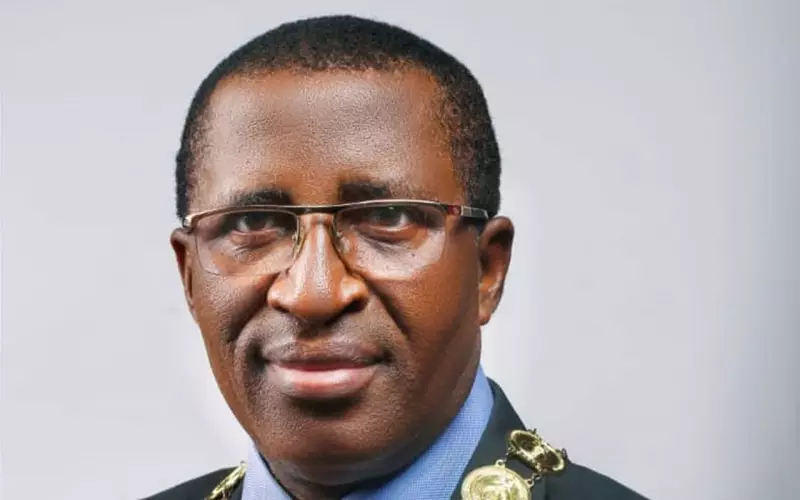
The Nigerian Institute of Quantity Surveyors (NIQS) has taken a firm and public stand against professional misconduct, warning its members that unethical behavior will not be tolerated.
Strict Sanctions for Unethical Practices
Speaking at a press briefing in Abuja ahead of the institute’s 31st Biennial General Meeting and National Conference, the NIQS President, Kene Nzekwe, left no room for ambiguity. He stressed that the institute would not condone any act capable of damaging the profession's reputation or integrity.
Nzekwe confirmed that investigations into reported cases of misconduct are already in progress. He assured the public that once guilt is established, decisive disciplinary measures will be implemented without delay.
The Disciplinary Process Explained
The president outlined the concrete consequences for offenders. "Once anybody is established to be involved in any kind of infraction, we will remove him or her from our register and report them to the Quantity Surveyors Registration Board of Nigeria (QSRBN)," he stated.
He further explained that the QSRBN, as the statutory body with the power to issue practice licenses, possesses the authority to revoke the licenses of erring professionals. This action would effectively bar them from practicing as quantity surveyors in Nigeria. "We take issues of infractions very seriously. Nobody can get away with any act of unethical practice under our watch," Nzekwe added emphatically.
To manage this process, the institute relies on its internal ethics and practice committee, which is tasked with investigating and adjudicating all allegations of professional misconduct to ensure accountability and uphold high standards.
Focus on National Development
Beyond disciplinary matters, the NIQS president also highlighted the significance of the upcoming conference. The event, themed "Rebuilding Nigeria: Enhancing National Development Through Fiscal Reforms, Infrastructure Planning, and the New Governance Imperative," was described as timely. This is in light of the ongoing federal fiscal reforms aimed at fostering transparency and stimulating economic growth.
Nzekwe called on professionals, contractors, and regulators to embrace modern solutions. He urged the adoption of digital tools, standardized practices, and open data systems to promote efficiency and attract crucial private investment. "The task of rebuilding Nigeria is a collective endeavour requiring collaboration between fiscal authorities, professionals, and civil society," he concluded.
Echoing this sentiment, the Deputy President of NIQS, Dr. Aminu Bashir, reaffirmed the institute's commitment to driving meaningful dialogue that advances infrastructure delivery and national development.